

Introduction
Building an online store is one of the most complete tests of a developer’s skill.
It involves:
- User authentication
- Product management
- Payments
- File uploads
- APIs
- Database design
- Security
This is why eCommerce platforms are used as real-world case studies in advanced PHP training environments like CuriosityTech in Nagpur.
On Day 20, we examine how a professional online store is built using PHP and Laravel.
1. Core Components of an Online Store
| Component | Purpose |
| User System | Login, profiles |
| Product Catalog | Display items |
| Cart | Temporary storage |
| Checkout | Payment processing |
| Orders | Purchase records |
| Admin Panel | Store management |
All these systems are powered by PHP and MySQL, with Laravel organizing the structure.
2. Architecture of the Store
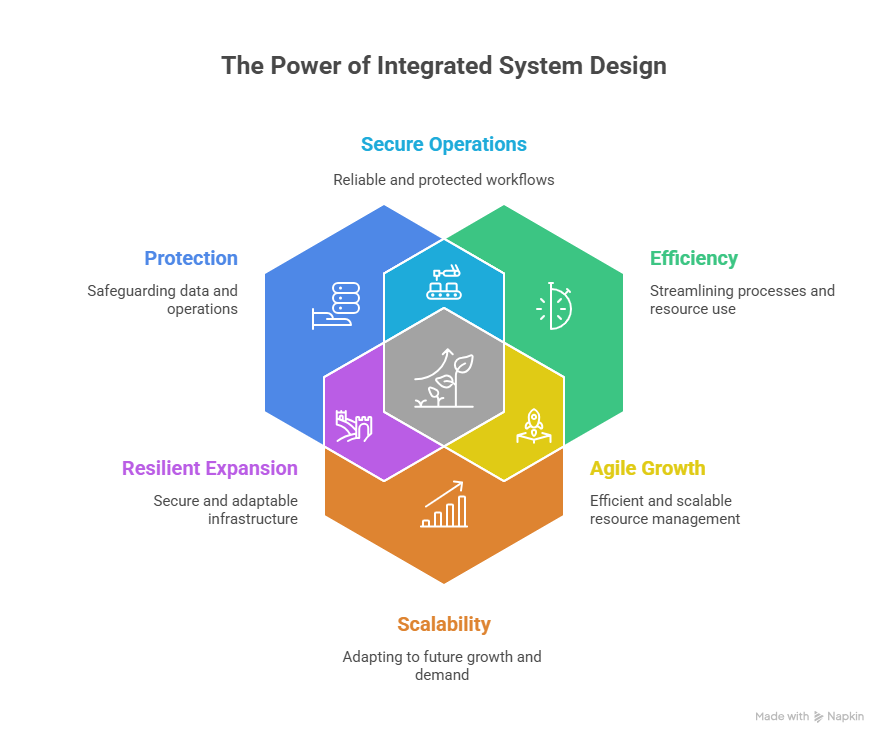
This architecture ensures security, speed, and scalability.
3. How Data Moves
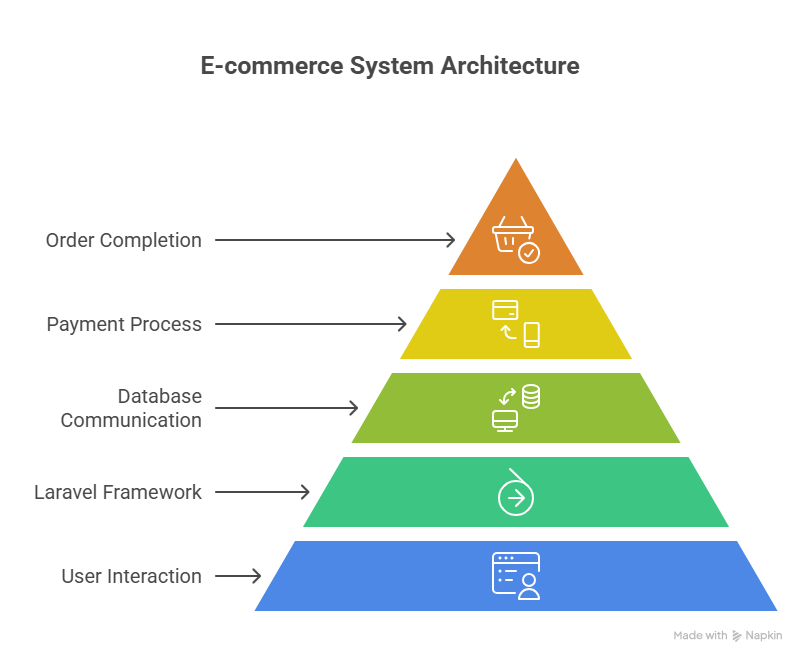
When a customer places an order:
- PHP validates user
- Laravel processes cart
- MySQL stores order
- API triggers payment
- File system saves invoice
Every piece is coordinated by PHP logic.
4. Security Layers
E-commerce sites use:
- Encrypted passwords
- Secure sessions
- Payment tokens
- API authentication
CuriosityTech trains developers to implement all these, making their students job-ready for real projects.
Infographic Description
Title: E-commerce System with PHP & Laravel
Conclusion
An online store is not just a website. It is a business system.
By mastering PHP and Laravel through eCommerce projects, developers gain the skills needed to work on startups, SaaS platforms, and global marketplaces.
This is why CuriosityTech uses real business scenarios instead of simple demo projects.