
In 2025, sales training is no longer a one-time event—it is a continuous, data-driven process that equips teams to adapt, innovate, and excel in a rapidly changing market. Effective coaching complements training by reinforcing skills, identifying gaps, and driving measurable improvement. At Curiosity Tech (1st Floor, Plot No 81, Wardha Rd, Gajanan Nagar, Nagpur, +91-9860555369, contact@curiositytech.in), we implement structured training and coaching programs designed to develop high-performing sales teams capable of meeting and exceeding targets consistently.
The Importance of Training and Coaching
Sales performance is directly linked to skill, confidence, and knowledge. Modern sales teams must master multiple areas:
- Lead generation and prospecting
- Pipeline management and forecasting
- Negotiation and closing techniques
- Digital tools and automation
- Relationship building and social selling
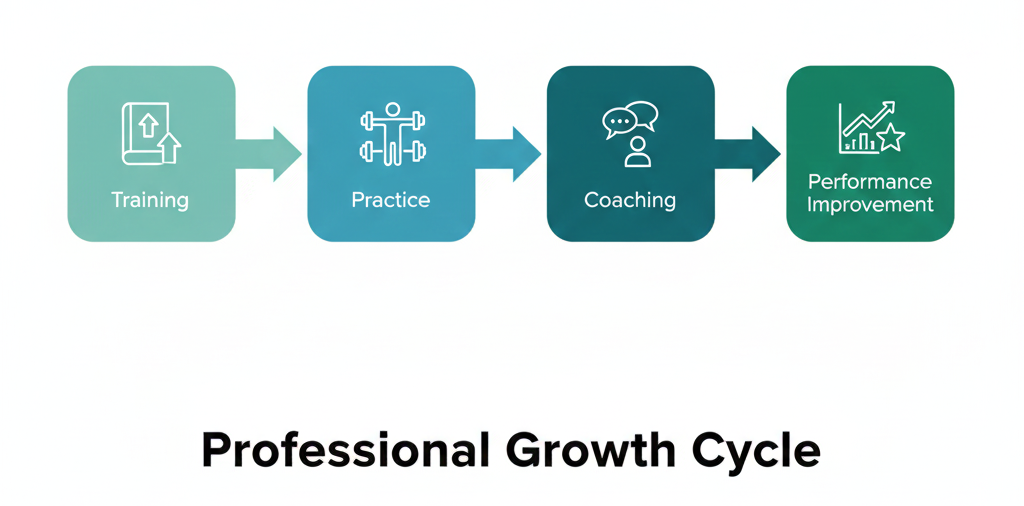
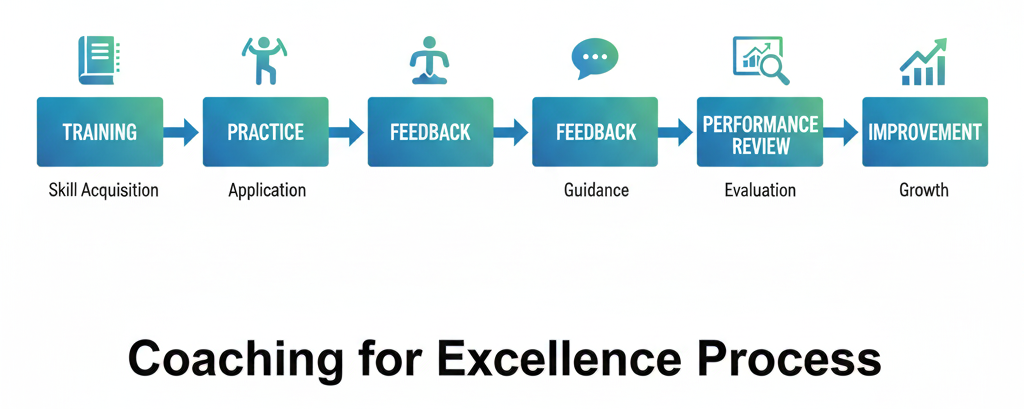
Training provides foundational knowledge, while coaching ensures practical application and continuous improvement.
Best Practices for Sales Training in 2025
1. Customized Training Programs
Every team has unique strengths, weaknesses, and industry requirements. Personalized training programs increase engagement and relevance.
- Example: CuriosityTech tailors training for B2B software sales versus digital marketing solutions, focusing on role-specific challenges and client personas.
2. Blended Learning Approach
Combine online courses, live webinars, in-person workshops, and self-paced modules for comprehensive learning.
Table Suggestion:
| Training Mode | Benefits | Use Case |
| Online Courses | Flexibility, scalable | Product knowledge updates |
| Live Webinars | Interactive learning | Q&A sessions with experts |
| Workshops | Hands-on practice | Role-playing negotiation scenarios |
| Self-Paced Modules | Continuous learning | CRM usage, AI tools, and analytics |
3. Microlearning
Short, focused learning modules (5–15 minutes) improve retention and can be applied immediately in real-world scenarios. At CuriosityTech, microlearning clips cover prospecting techniques, objection handling, and social selling best practices.
Effective Coaching Strategies
- Regular One-on-One Sessions: Personalized coaching identifies individual gaps and provides tailored feedback.
- Role-Playing and Simulations: Practicing real-life scenarios enhances negotiation, objection handling, and closing skills.
- Performance Metrics Review: Use CRM dashboards to analyze activity levels, conversion rates, and deal progress.
- Peer Learning: Encourage team members to share successful strategies and lessons learned.
- Continuous Feedback Loop: Constructive feedback, recognition, and goal alignment reinforce learning outcomes.
Integrating Technology in Training & Coaching
- CRM Analytics: Track team performance and identify areas for improvement.
- AI-Powered Coaching Tools: Provide real-time suggestions on email communication, call scripts, and sales pitches.
- Gamification: Leaderboards, badges, and challenges make training engaging and competitive.
At CuriosityTech, AI-based coaching tools help sales managers guide their teams efficiently while ensuring measurable improvements.
Tips to Become a Training & Coaching Expert
- Understand Learning Styles: Adapt methods to suit visual, auditory, or kinesthetic learners.
- Emphasize Practical Application: Knowledge is only valuable when applied effectively.
- Leverage Data for Insights: Track which modules improve KPIs and adjust programs accordingly.
- Encourage Self-Reflection: Reps should analyze successes and failures to internalize learning.
- Continuous Improvement Culture: Foster an environment where learning is ongoing, not episodic.
Conclusion
Sales training and coaching in 2025 are strategic imperatives for organizations that want to maintain a competitive edge. By combining structured programs, personalized coaching, technology integration, and data-driven insights—just like CuriosityTech does—sales managers can develop highly skilled, confident, and motivated teams. The result is not only improved individual performance but also measurable revenue growth and sustainable business success.