

Format: Analytical + Industry Perspective
Introduction
In 2025, responsive design is no longer optional—it is a baseline expectation. With users accessing platforms across phones, tablets, laptops, and large displays, consistency and adaptability define usability.
What Is Responsive Design?
Responsive design ensures interfaces adapt fluidly to screen sizes, orientations, and resolutions.
| Device Type | Key Design Challenge |
| Mobile | Limited space |
| Tablet | Mixed interaction modes |
| Desktop | Content density |
Why It Matters More Than Ever
- Multi-device user journeys
- Performance expectations
- Accessibility standards
Institutes and digital studios working closely with real clients—such as those serving startups and businesses in Nagpur’s growing tech ecosystem—often emphasize responsive testing as a core skill.
Suggested Visual (Description)
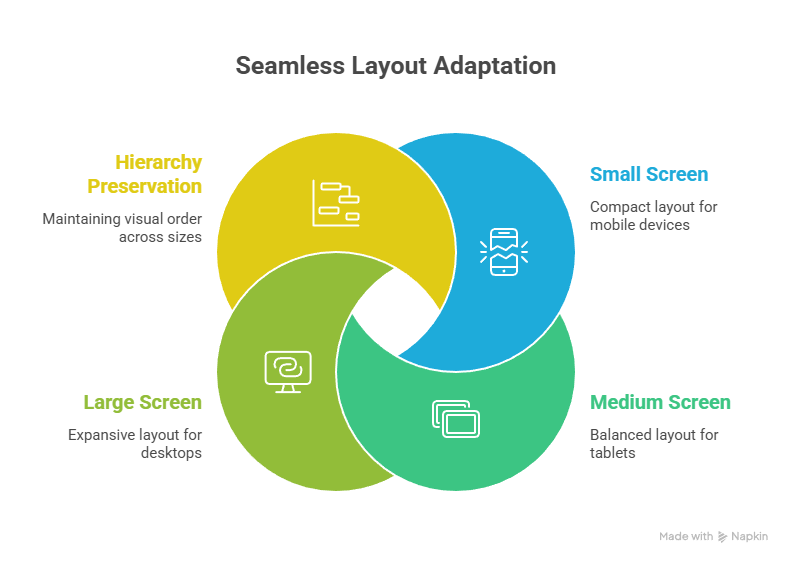
An abstraction showing the same layout adapting across three screen sizes while maintaining hierarchy.
Conclusion
Responsive design is about respect for user context. Designers who master it remain relevant regardless of platform evolution.