In the dynamic world of business, understanding the subtle differences between key roles in the revenue chain is essential for any professional aiming to thrive. Today, we delve deep into the distinctions and responsibilities of Sales Managers, Account Managers, and Business Development Managers — roles that are often interlinked but distinctly different in their objectives, strategies, and outcomes.
At Curiosity Tech, we are passionate about guiding professionals and organizations alike to understand these nuances, equipping them with knowledge to optimize team performance, client relationships, and business growth strategies.
Understanding the Roles
1. Sales Manager – The Goal-Oriented Strategist
A Sales Manager is primarily focused on driving sales performance. They set sales targets, monitor team metrics, coach their sales teams, and strategize on how to achieve revenue goals. Their role is highly analytical and performance-driven.
Key Responsibilities:
- Setting and achieving sales targets.
- Supervising and motivating the sales team.
- Analyzing sales data to identify trends and opportunities.
- Developing sales strategies to increase revenue.
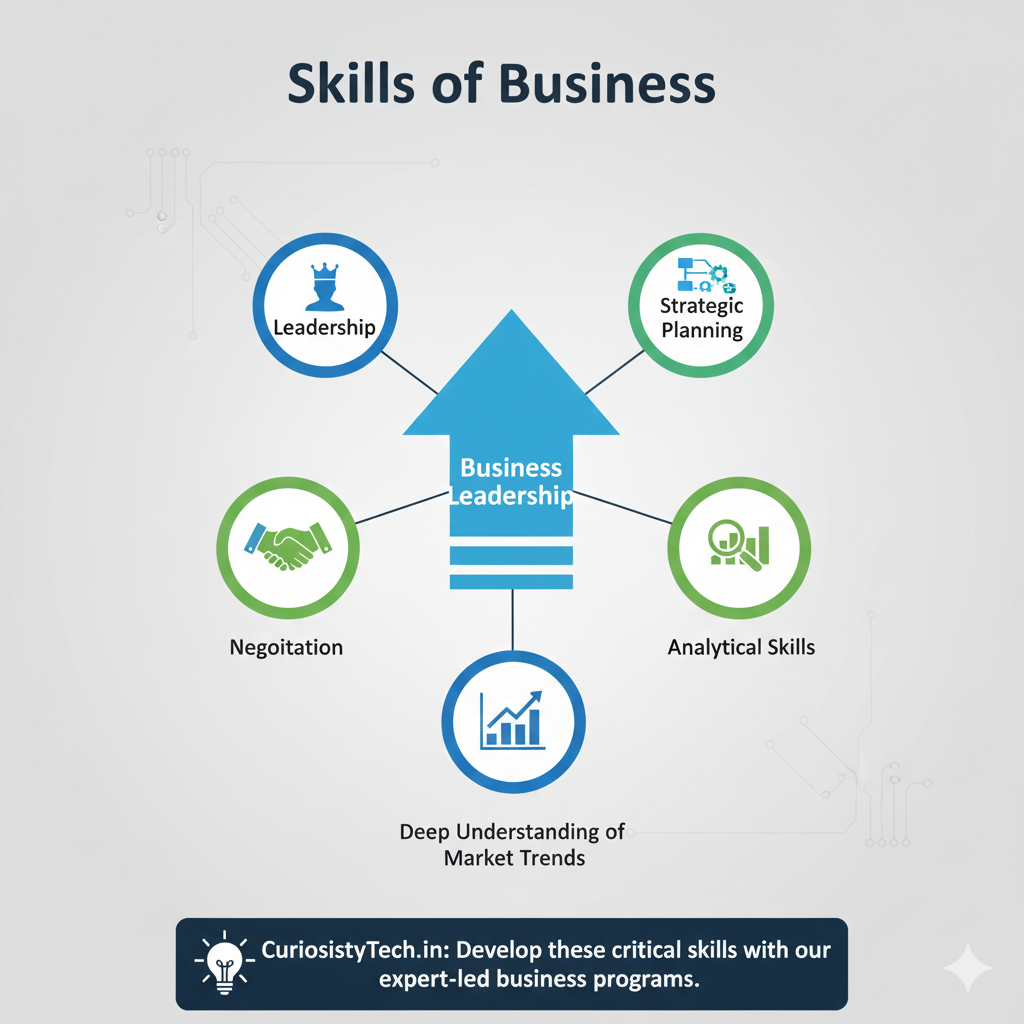
Skills Required:– Leadership, strategic planning, negotiation, analytical skills, and a deep understanding of market trends.
Example:– A Sales Manager at a tech firm like Curiosity Tech would strategize on promoting a new software solution, forecast sales for the next quarter, and ensure their team achieves the targets set.
2. Account Manager – The Relationship Builder
An Account Manager focuses on maintaining and nurturing long-term client relationships. Unlike Sales Managers, their success is measured by client satisfaction, retention, and upselling opportunities within existing accounts.
Key Responsibilities:
- Acting as the main point of contact for clients.
- Managing client expectations and resolving issues.
- Identifying opportunities for account growth.
- Ensuring client satisfaction and long-term partnerships.
Skills Required:– Communication, problem-solving, empathy, and deep product knowledge.
Example:– At Curiosity Tech, an Account Manager may work with a long-term client using custom IT solutions, ensuring their system updates run smoothly while suggesting upgrades that align with the client’s evolving needs.
3. Business Development Manager – The Opportunity Explorer
A Business Development Manager (BDM) is responsible for identifying and pursuing new business opportunities. Their focus is on expansion, partnerships, and strategic growth rather than maintaining existing client relationships.
Key Responsibilities:
- Identifying new market opportunities.
- Networking and building strategic partnerships.
- Pitching products or services to potential clients.
- Collaborating with marketing and sales teams to generate leads.
Skills Required :– Networking, strategic thinking, market research, and persuasive communication.
Example :- A BDM at Curiosity Tech may explore collaboration with startups in emerging tech sectors, present joint solutions, and secure contracts to expand the company’s footprint.
Hierarchical Comparison Table
| Role | Primary Focus | Metrics for Success | Typical Activities | Interaction Type |
| Sales Manager | Achieving sales targets | Revenue, Team performance | Setting targets, coaching, forecasting | Internal team-focused |
| Account Manager | Client retention & satisfaction | Client retention, upsell opportunities | Client meetings, support, relationship management | External client-focused |
| Business Development Manager | Expanding business | New leads, partnerships, market growth | Networking, strategy, pitching | External prospect-focused |
Key Differences at a Glance
While all three roles aim to generate revenue, their approach and metrics differ:
- Sales Managers are target-driven, focusing on closing sales.
- Account Managers are relationship-driven, ensuring client satisfaction.
- Business Development Managers are growth-driven, seeking new opportunities.
Understanding these distinctions ensures that companies like Curiosity Tech can align roles with organizational goals efficiently, maximizing both client satisfaction and business growth.
Why It Matters
In today’s competitive business environment, misalignment between these roles can lead to lost opportunities, mismanaged clients, and underperformance. By clearly defining responsibilities and creating collaboration pathways, businesses can achieve sustainable growth while nurturing strong client relationships.
At Curiosity Tech, we emphasize training and knowledge-sharing to ensure that teams understand these roles in-depth. Whether you are aspiring to become a Sales Manager, Account Manager, or Business Development professional, knowing these differences equips you to make strategic career choices.
Conclusion
Sales, client management, and business expansion are three pillars that drive business success. While Sales Managers, Account Managers, and Business Development Managers share overlapping goals, their functions are unique. By clearly understanding these roles, businesses can enhance team synergy, improve client satisfaction, and accelerate growth. Curiosity Tech continues to guide professionals in understanding these key distinctions, ensuring both individuals and organizations thrive in today’s competitive landscape.