
Abstract
Sales success relies on both strong selling skills and effective opportunity management.
Territory and pipeline management create structure in what would otherwise be chaos. Over two decades of building and advising sales teams, I have seen companies double their output simply by assigning the right leads to the right people and tracking every opportunity properly.
At Curiosity Tech, these principles help manage inquiries from the website, phone, email and social media. As a result, the team follows up with every potential student and corporate client professionally.
What Territory Management Means
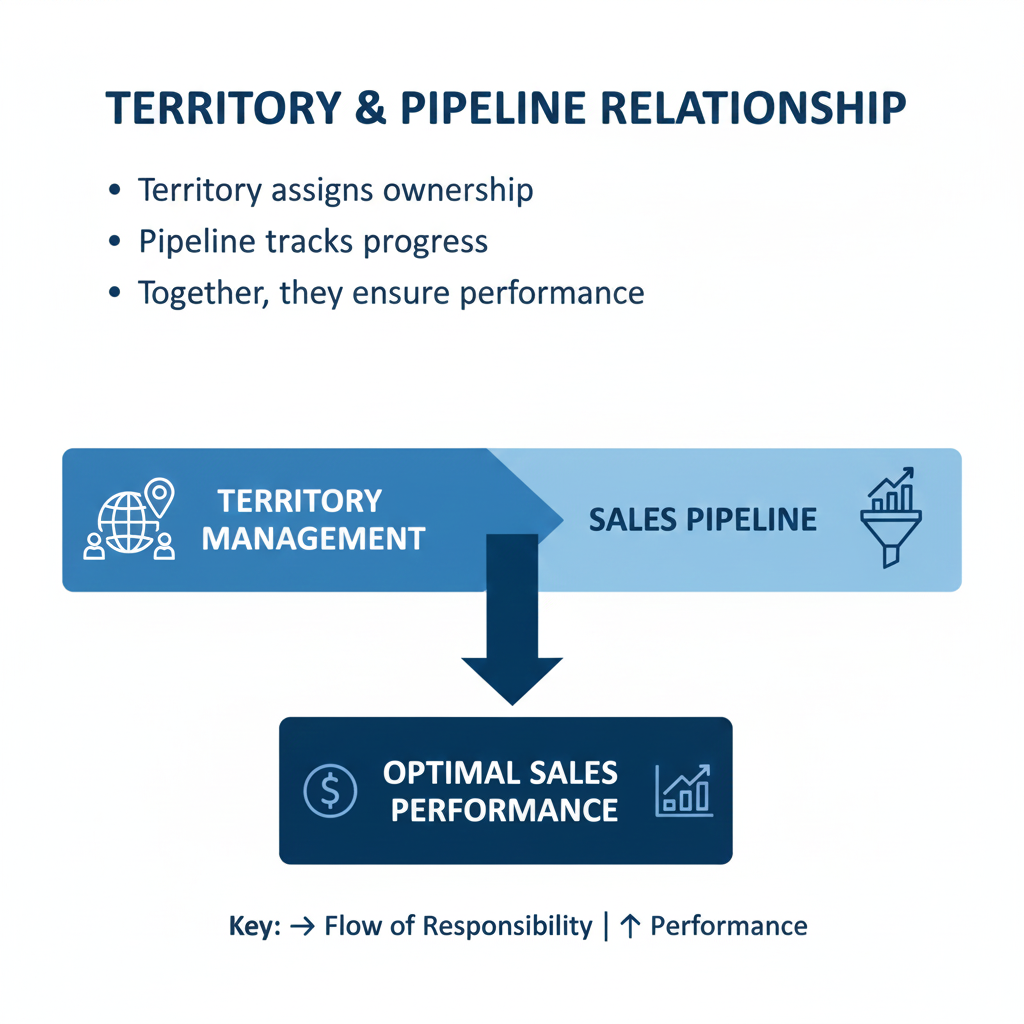
Territory management divides the market into clear segments such as geography, industry, or customer type. Each salesperson is responsible for a defined group of prospects.
This avoids duplication, improves accountability and ensures every lead is handled.
What Pipeline Management Means
The sales pipeline shows every deal from first contact to closed sale. It allows managers to see where opportunities stand and what actions are needed.
A healthy pipeline creates predictable revenue.
Pipeline Stages
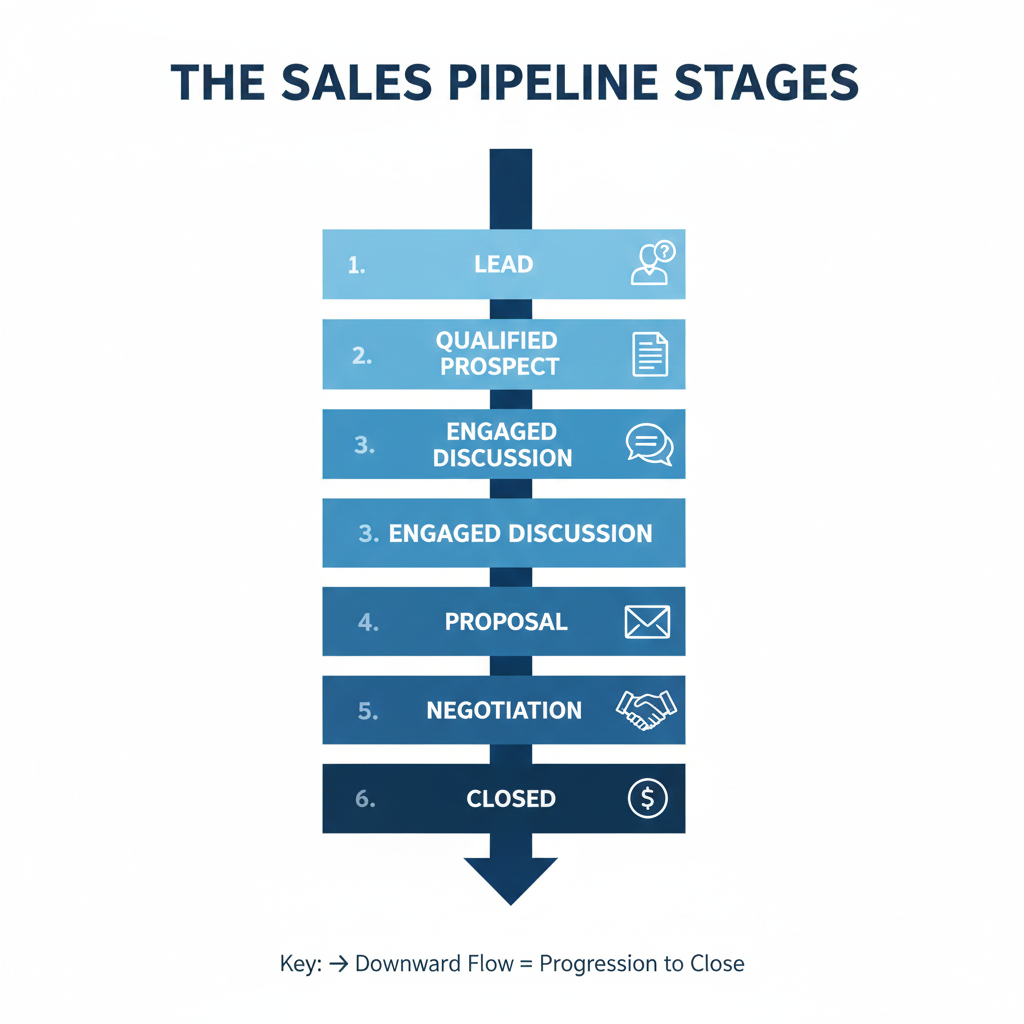
Each stage requires different actions.
Territory and Pipeline Relationship
Management Comparison Table
| Without Structure | With Structure |
| Lost leads | Tracked leads |
| Guessing | Forecasting |
| Conflicts | Clear ownership |
Sales Operations Hierarchy

Infographic Description
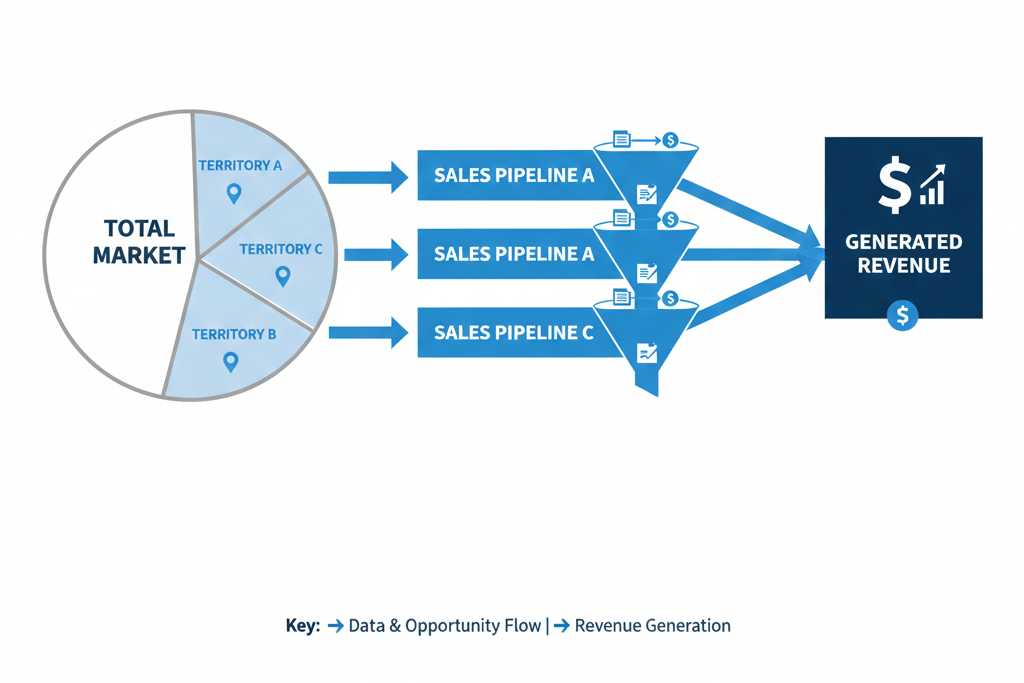
A visual showing a market divided into territories feeding into pipelines that generate revenue.
How Sales Leaders Master These Techniques
They analyze data, rebalance territories, and review pipelines weekly. Over time, they create fairness, efficiency, and higher conversions.
Curiosity Tech trains managers to use digital tools for territory and pipeline optimization.
Conclusion
Territory and pipeline management turn effort into results. When sales teams know who owns what and where every deal stands, revenue becomes predictable and scalable.