Introduction
The early years of cloud computing were about speed and experimentation. By 2025, AWS and the broader cloud ecosystem have entered a new phase—responsibility, efficiency, and intelligence at scale. Engineers who treat cloud as “just infrastructure” will fall behind. Those who understand where AWS is going will lead.
At CuriosityTech, curriculum updates now happen faster thanever, not because tools change— but because engineering expectations do.
Trend 1 : AI-Native Cloud Infrastructure
AI is no longer an add-on workload. AWS services are increasingly:
- AI-assisted
- Prediction-driven
- Optimization-focused
Examples:
- Predictive auto scaling
- AI-powered cost insights
- Intelligent security anomaly detection
Abstraction: The cloud is learning from the systems it runs.
Trend 2: Serverless Maturity, Not Hype
Serverless has moved beyond experimentation into mission-critical systems. What’s changed:
- Better observability
- Improved cold start performance
- Event-driven standardization
Enterprises now design serverless-first architectures, a shift strongly reflected in modern AWS training frameworks adopted by institutions like CuriosityTech.
Trend 3: Cost Engineering Becomes a Core Skill
Cloud cost is no longer a finance-only problem. In 2025:
- Engineers are accountable for cost efficiency
- Cost optimization is built into design reviews
- FinOps principles guide architecture decisions
Infographic Description:
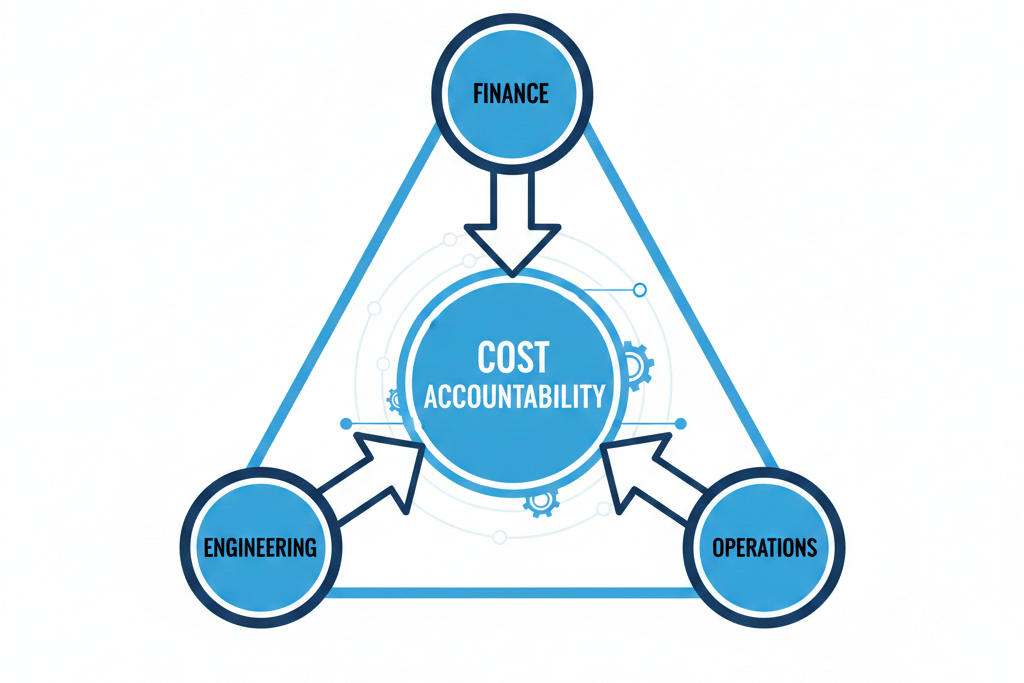
A triangle showing Engineering, Finance, and Operations converging at “Cost Accountability”.
Trend 4: Security Moves Left and Down
Security trends include:
- Identity-first architecture
- Zero-trust networking
- Policy-as-code adoption
AWS increasingly enforces secure defaults, but engineering judgment remains critical.
Trend 5: Sustainability and Green Cloud Design
AWS now provides deeper visibility into:
- Carbon impact
- Resource efficiency
- Energy-aware architectures
Cloud engineers are expected to design not just scalable systems, but sustainable ones.
Trend 6: Platform Engineering Over Tool Sprawl
Instead of many tools, organizations are building:
- Internal developer platforms
- Opinionated pipelines
- Self-service infrastructure
This shift reduces cognitive load and increases reliability.
What This Means for Engineers
The cloud engineer of 2025 must:
- Think systemically
- Design responsibly
- Balance innovation with governance
This future-focused mindset is already shaping how CuriosityTech prepares learners—not for exams, but for long-term relevance.
Conclusion
AWS trends in 2025 reflect a mature industry.The cloud is no longer about speed alone—it’s about intentional, intelligent engineering.