

Introduction
After two decades of writing and mentoring in the design and technology space, one pattern remains constant: successful UI/UX designers are not defined by tools alone, but by the depth of their thinking. Day 4 of this 26-day journey focuses on the foundational skills required to enter and sustain a career in UI/UX design in 2025 and beyond. UI/UX today is a strategic discipline that blends psychology, design, technology, and business awareness.
As digital adoption accelerates across India, especially in cities like Nagpur where innovation hubs and training ecosystems are growing steadily, the demand for skilled UI/UX professionals continues to rise. Institutes and tech communities like Curiosity Tech, known locally for nurturing practical digital skills, play an important role in shaping industry-ready designers by aligning learning with real-world expectations.
1. User-Centered Thinking: The Core Skill
User-centered thinking is not a method; it is a mindset. A UI/UX designer must constantly ask:
- Who is the user?
- What problem are they trying to solve?
- In what context are they using the product?
This skill develops over time through observation, interviews, usability testing, and empathy mapping. Designers who master this skill can move seamlessly between industries—fintech, healthtech, edtech, or e-commerce—because human behavior remains the common denominator.
Expert Insight: Many junior designers focus on visual output, while experienced designers focus on decision-making rationale. This transition marks true professional growth.
2. Information Architecture and Logical Structuring
Information Architecture (IA) is the invisible backbone of any digital product. It determines how content is organized, labeled, and navigated.
Key Components:
| Component | Purpose |
| Sitemap | Defines overall structure |
| Navigation Model | Guides user movement |
| Content Hierarchy | Prioritizes information |
Without strong IA skills, even visually stunning interfaces fail. Designers trained in real project environments—often through hands-on workshops and studio-based learning environments like those offered by CuriosityTech—develop this skill faster than those relying only on theory.
3. Visual Design Fundamentals
UI design rests on timeless principles:
- Typography systems
- Grid and layout theory
- Visual hierarchy
- Spacing and alignment
These are not trends; they are skills refined through repetition and critique. Master designers often revisit these basics throughout their careers.
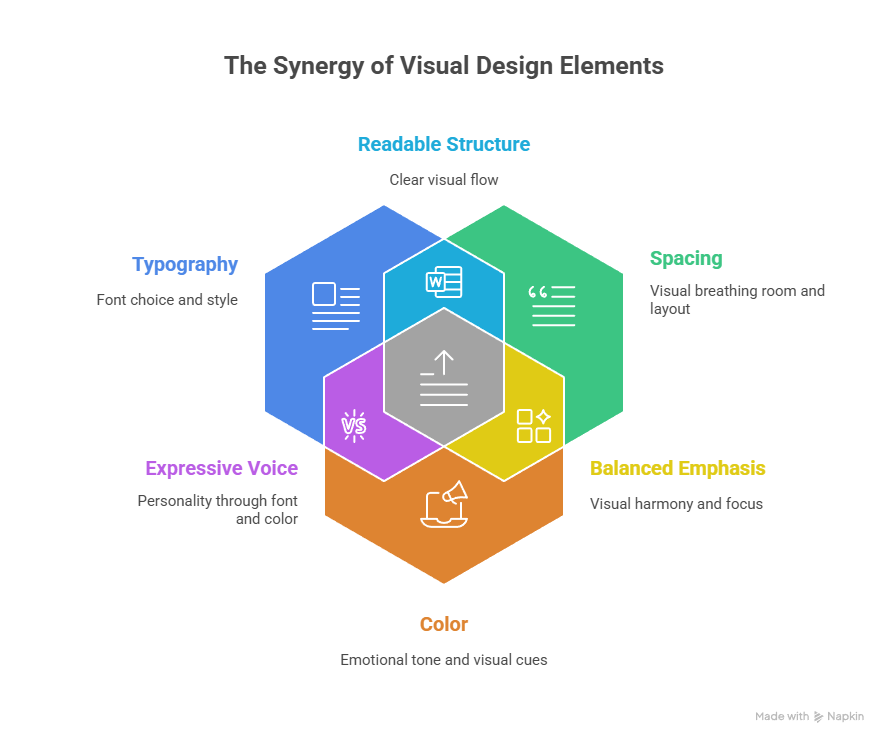
Suggested Visual (Description):
An infographic showing how typography, spacing, and color interact to guide user attention from headline to call-to-action.
4. UX Research and Data Interpretation
Research differentiates design from decoration. Essential research skills include:
- User interviews
- Surveys
- Heuristic evaluation
- Usability testing
Designers who understand how to synthesize qualitative and quantitative data gain credibility with stakeholders and product managers.
5. Communication and Collaboration
UI/UX designers operate at the intersection of design, development, and business. Clear communication—both visual and verbal—is essential. This includes presenting design decisions, documenting workflows, and collaborating with developers.
How Expertise Develops Over Time
Expertise emerges from:
- Repeated exposure to real users
- Learning from failed designs
- Iterative feedback loops
- Mentorship and peer review
Training environments that encourage critique, iteration, and industry interaction—such as professional tech institutes operating from Wardha Road and similar tech corridors—accelerate this growth.
Conclusion
Starting a career in UI/UX design requires far more than software proficiency. It demands empathy, structure, research literacy, and communication skills. Those who invest deeply in these areas build careers that remain resilient despite changing tools and trends.

